
Your dependable Huber ZIP Systems supplier, delivering a consistent inventory to retailers across Canada
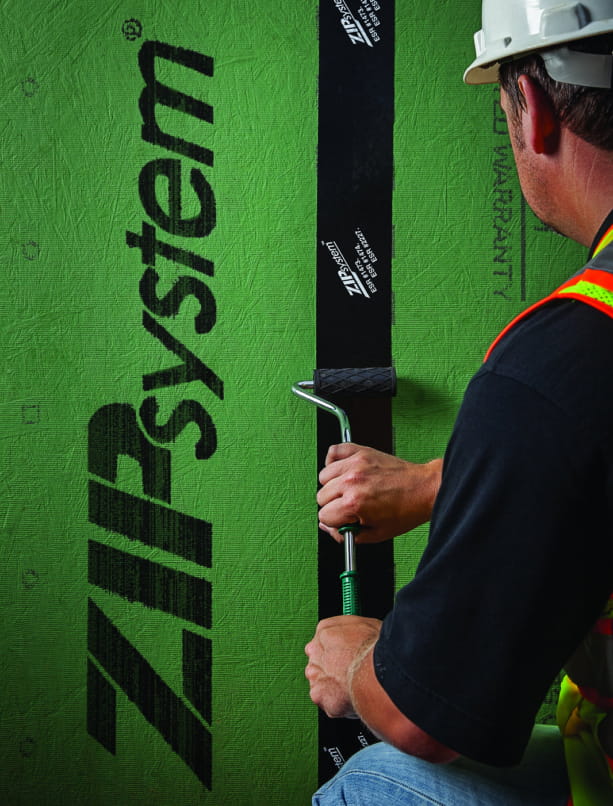
Taiga is a leading Huber ZIP Systems wholesale supplier, distributing durable structural performance barrier systems to meet or exceed industry standards.
Huber ZIP panels are engineered wood structural sheathing panels with an integrated water and air-resistive barrier built into the panel surface. Manufactured by Huber Engineered Woods, they are used in roof and wall assemblies to provide structural sheathing, moisture protection, and continuous air barrier performance in a single product. When the panel seams are sealed with ZIP System tape, they eliminate the need for separate housewrap or felt underlayment.
Our selection of Huber ZIP products is innovative and highly certified, designed with the Huber principles of safety, sustainability, ethical behaviour, respect for people, and excellence in mind.
Taiga’s supply chain is built to keep your shelves stocked. As experienced weather barrier suppliers, we understand the demands of high-volume retail distribution in the building industry.
Taiga is a Huber Zip System distributor. We do not sell directly to the general public. Please contact the nearest retailer for Huber offers and information.
Browse Taiga’s Huber Zip System Products
Please note that not all Huber Zip System products may be available in your region. Contact us to confirm availability.
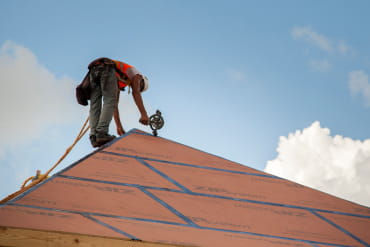
Roof Sheathing
Revolutionary ZIP system sheathing is easy to install and consists of all-in-one structural panels that feature a built-in water-resistant layer and a new radiant barrier to reduce heat transfer.
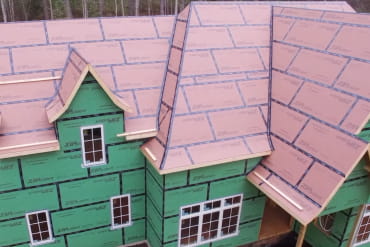
Wall Sheathing
Durable and easy to install. When combined with ZIP system tapes, this wall system creates an integrated air and water-resistive barrier that delivers moisture and air integrated protection.
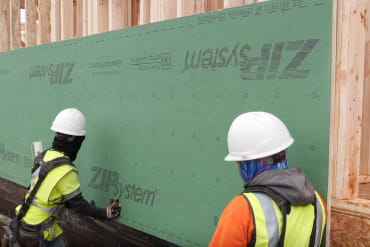
Insulated R-Sheathing
All-in-one structural panel with built-in exterior insulation, featuring integrated moisture, thermal and air protection.
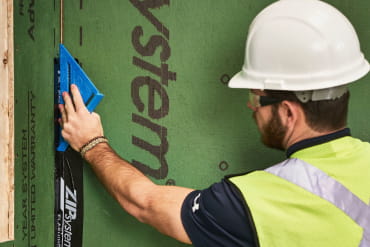
Flashing Tape
Made for use over a wide temperature range, ZIP System tapes are pressure-activated to create a strong bond that strengthens over time for a consistently tight barrier.
Multi-Purpose Tape
ZIP System multi-purpose tape is formulated with acrylic adhesive, making it a great option for a variety of surfaces, including wood, vinyl, metal, and plastic.

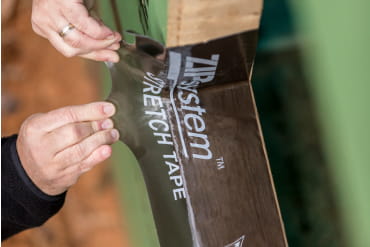
Stretch Tape
Made of a high-performance composite acrylic, ZIP System stretch tape uniquely stretches in all directions to easily fit sills, curves and corners with a single piece.
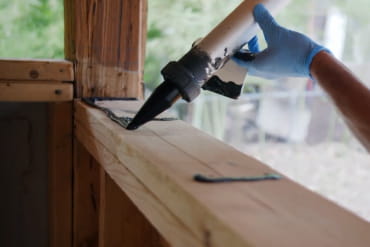
Liquid Flash
ZIP System liquid flash is a fluid-applied flashing membrane for building enclosures that combines the durability of silicones with the toughness of urethanes.
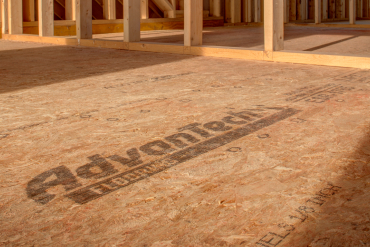
Huber AdvanTech®
The ZIP System pairs with Huber’s AdvanTech subflooring, adhesive and sheathing to cover builds from the ground up. Taiga stocks both product lines, so retailers can offer builders options side by side to keep a project moving.
Already a customer?
Skip to TaigaNow to find easy online ordering.

Explore The Huber Technical Library
Get the specs and learn more about the Huber ZIP System in the technical library. Have questions? We can help you expand your product offering and satisfy the full range of your customers’ barrier projects.
Frequently Asked Questions
What are Huber ZIP panels used for?
Huber ZIP panels are structural sheathing panels used in the roof and wall assemblies of residential and light commercial buildings. Each engineered wood panel combines structural performance with a factory-applied integrated water-resistive barrier and integrated air barrier, replacing housewrap on walls and felt underlayment on roofs. When the seams are sealed with ZIP System tape, the assembly forms a continuous air barrier across the entire building envelope, reducing air leakage and air transfer through the wall system.
The Huber ZIP System is used on production homes, custom home builder projects, multifamily wood-frame construction, and light commercial buildings. Builders specify it in cold climates for energy-efficient building-envelope performance, in hot Southeast climate regions for moisture protection and water intrusion control, and in high-wind zones and seismic markets for its Structural 1 shear strength rating. The system also supports indoor comfort by tightening the building enclosure to prevent uncontrolled air leakage common in more traditional wall assemblies.
Do Huber ZIP panels replace housewrap?
Yes. The Huber ZIP System replaces both housewrap on walls and felt underlayment in roof applications. The integrated water-resistive barrier is built into the panel surface, and the ZIP System tape seals the seams to form a continuous air barrier, removing a full step from the installation sequence compared with traditional sheathing methods, which require a separate housewrap layer.
What is an integrated air and water-resistive barrier?
An integrated air- and water-resistive barrier is a barrier layer built directly into the surface of a structural sheathing panel, rather than applied as a separate product such as housewrap or felt. In the ZIP System, the barrier is factory-applied to the engineered wood panel before it leaves the mill. When the panel seams are taped, the result is a continuous air and water-resistive barrier across the entire wall or roof assembly without a separate installation step.
What is the difference between Huber ZIP System R-Sheathing and ZIP System wall sheathing?
ZIP System wall sheathing is a structural panel with an integrated water and air-resistive barrier, used where no additional continuous insulation is required. ZIP System R-Sheathing adds a layer of continuous foam insulation to the same structural panel and barrier system, providing both air and moisture control along with improved thermal performance. R-Sheathing is typically specified when a project targets higher energy codes or requires continuous insulation to meet wall assembly thermal requirements.
Are Huber ZIP panels structurally rated?
Yes. ZIP System panels are available with a Structural 1 rating, which provides the shear strength required to meet seismic and high wind zone requirements. Structural 1 availability varies by mill, so builders working in high-demand seismic or wind zones should confirm panel availability for their specific project. The structural rating and the weather barrier function are both built into a single panel.
How is ZIP System tape used during installation?
ZIP System tape is applied over the seams between panels after the sheathing is installed. The tape is rolled firmly onto the panel surface to bond with the integrated barrier, completing the continuous air and water barrier across the entire wall or roof assembly. Proper technique requires clean, dry seams and firm roller pressure along the full length of the tape. ZIP System tape provides integrated moisture protection, creating a tighter seal for the barrier.
Can ZIP System sheathing be used in hot and humid climates?
Yes. The Huber ZIP System is used across a range of climates, including hot and humid regions. The integrated water-resistive barrier protects against water intrusion during and after construction, while the panel assembly is designed to allow the wall to properly dry. Custom home builders in hot southeastern climates have specified ZIP System sheathing for its air sealing performance, which reduces the energy load on cooling systems and improves indoor comfort. Builders in high-wind zones also use ZIP System panels to meet wind-resistance requirements.
What is the ZIP System tape made of?
ZIP System tape is an acrylic-based tape engineered to bond with the ZIP System panel surface. It is designed to resist UV exposure during construction, maintain adhesion across a range of temperatures, and flex without cracking at window and door rough openings. The tape is available in standard flashing tape, stretch tape for complex geometry and curved surfaces, and multi-purpose tape for general seam sealing.
How long can ZIP System sheathing be left exposed before cladding is installed?
ZIP System wall sheathing can be left exposed to weather for up to 180 days before the cladding is installed, provided the seams are properly taped. This exposure window provides builders with flexibility in construction scheduling without compromising the integrity of the water-resistive barrier. Roof sheathing exposure limits differ and should be confirmed against Huber’s current installation guidelines for the specific product being used.
What is the difference between ZIP System sheathing and rosin paper?
Rosin paper is a treated kraft paper that was historically used under siding and roofing as a basic moisture barrier. It provides limited air control, tears easily during installation, and degrades over time. ZIP System sheathing and tape replaces rosin paper and felt underlayment with a factory-engineered barrier bonded to a structural panel sealed at the seams with tape. The result is a measurably tighter and more durable air and water barrier that also carries structural ratings that rosin paper cannot provide.
Speak with an industry specialist today.
With years of experience in building products, logistics, export, and distribution, our knowledgeable team works closely with you to meet your needs by providing a wide range of value-added services and tailored business solutions.